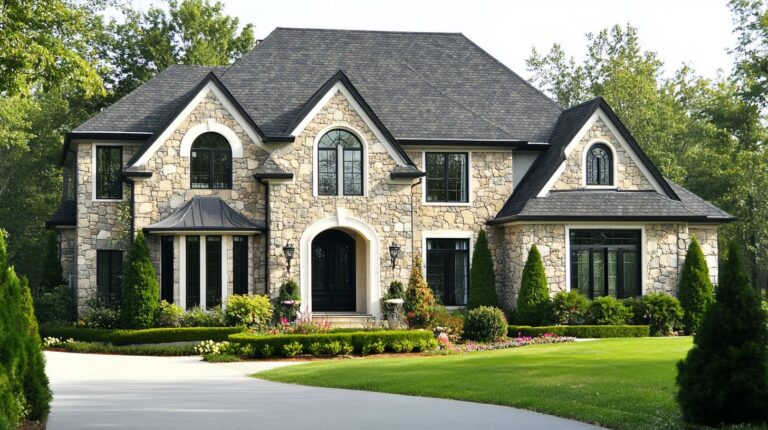
Best Exterior Stone for Mansions: A Forensic Guide to Estate
The selection of a primary facade material for a high-value residence is a decision that reconciles geological history with modern structural engineering. In the context of estate-level construction, the exterior envelope is not merely a decorative choice; it is a critical interface that dictates the building’s thermal performance, moisture management, and long-term asset value. Best Exterior Stone for Mansions. As synthetic veneers and composite panels saturate the mid-tier market, the use of authentic, full-bed natural stone remains the definitive marker of architectural permanence. This choice is predicated on a sophisticated understanding of mineralogy, hydrothermal behavior, and the specific atmospheric stressors of the North American landscape.
For a mansion-scale project, the “Visual Ideal” must be rigorously stress-tested against the “Mechanical Reality.” A stone that offers a desirable Old-World patina in a dry Mediterranean climate may succumb to rapid exfoliation or biological staining in the humid subtropics of the Gulf Coast. Consequently, the pursuit of the building’s skin requires a departure from surface-level aesthetics toward a forensic analysis of density, compressive strength, and solar reflectance. To build at this scale is to manage a living finish—a substrate that interacts with light, precipitation, and thermal kinetic energy in ways that industrial products cannot replicate.
This study serves as a comprehensive reference for architects, developers, and estate owners navigating the upper echelons of the stone market. We move beyond basic categorization to analyze the chemical and physical properties that differentiate a “prestige” material from a “performance” material. By dismantling the mechanics of the rainscreen interface and the crystalline stability of various stone types, we establish a rigorous framework for exterior selection. This is a definitive examination of how geological assets function as the primary defensive layer of the modern American manor.
Understanding “best exterior stone for mansions”
In the professional architectural sphere, identifying the best exterior stone for mansions is an exercise in “Environmental Reconciliation.” It is a multi-perspective challenge that involves balancing the aesthetic intent of a specific historical style—such as French Provencal, Tudor, or Modernist—with the physical limitations of the stone’s mineralogy. A common misunderstanding among observers is that the “best” stone is simply the most expensive or the most imported. In reality, the technical superiority of a material is determined by its behavior at the microscopic level: its rate of water absorption, its resistance to “spalling” in freeze-thaw cycles, and its mineralogical purity.
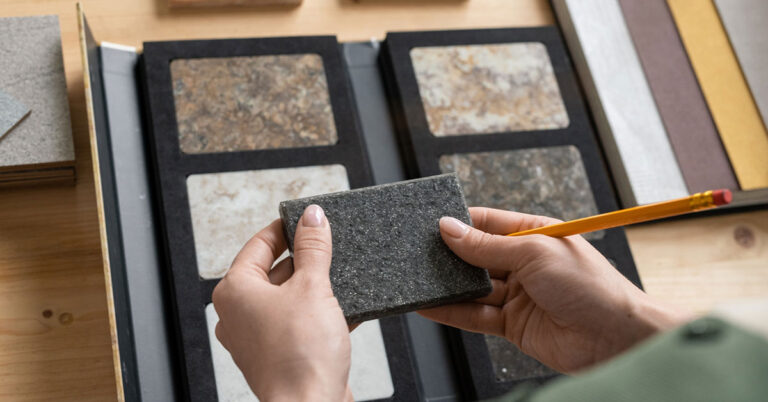
Oversimplification risks are highest when stone is selected based on a showroom sample alone. A small, dry tile does not reveal how a three-inch-thick slab will respond to “Rising Damp” or how its color will shift under three decades of high-UV bombardment. Effectively evaluating the best exterior stone for mansions requires a calculation of the “Hygroscopic Pulse”—the stone’s ability to take in and release moisture without compromising the mortar bond or the internal crystalline structure. If the stone is too porous for its environment, the residence will inevitably suffer from efflorescence, a white, chalky staining that indicates deep moisture infiltration.
Furthermore, a sophisticated approach must account for “Geometric Fidelity.” High-end estates often feature complex architectural details—quoins, lintels, and intricate cornices—that require a stone with high flexural strength and a tight grain. A stone that is too brittle will fail during the carving process or, more catastrophically, crack under the weight of the building’s own settlement. Mastering this landscape involves treating every stone choice as a micro-engineering decision. To choose the right stone is to ensure that the mansion does not merely exist, but matures alongside its environment.
The Systemic Evolution of Estate Masonry
The history of estate construction in North America is a narrative of moving from “Local Utility” to “Global Curation.” In the 19th and early 20th centuries, the stone vernacular of an American mansion was dictated by the proximity of the quarry to the building site. The granites of New Hampshire and the limestones of Indiana built the bedrock of American prestige because they were the only materials that could be transported efficiently. These materials were utilized in “Load-Bearing” capacities, where the thickness of the stone provided both the structure and the insulation.
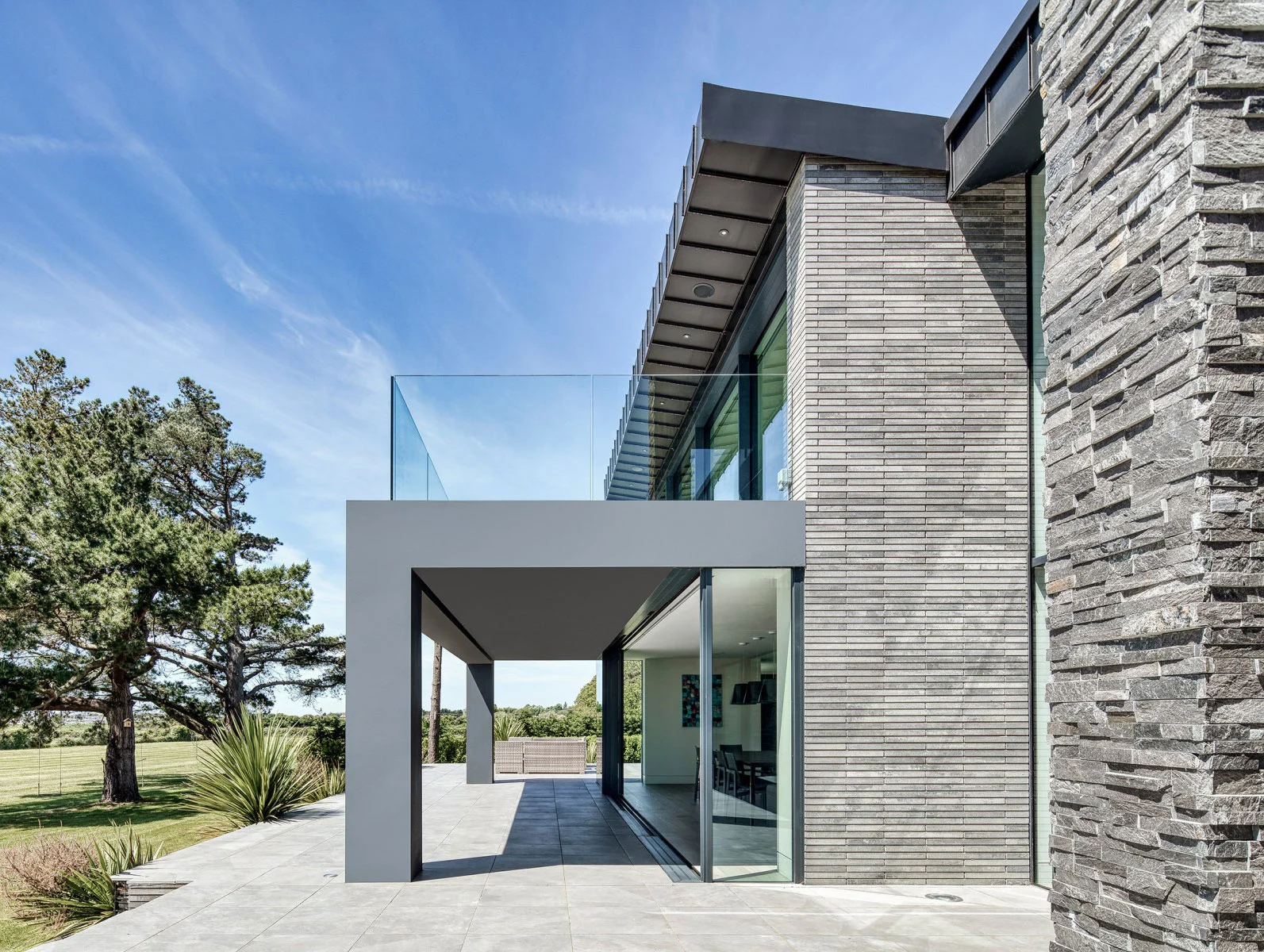
The “Modern Era” is defined by the transition to “Veneer Logic.” We no longer rely on the stone to hold up the roof; instead, we use it as a high-performance skin suspended over a sophisticated drainage cavity. This evolution has allowed for the use of stones previously considered too rare or fragile for massive construction. We can now specify a translucent Onyx from the Middle East or a high-density Quartzite from Brazil as part of a “Rainscreen” system. This shift has necessitated a higher level of engineering precision, as the attachment points for these stones must manage wind-load pressures and thermal expansion in ways that traditional masonry never did.
Conceptual Frameworks for Material Selection
To evaluate cladding options with editorial rigor, professionals utilize specific mental models:
-
The Porosity-to-Performance Framework: This model categorizes stone based on its “Absorption Rate.” A stone with <0.1% absorption (certain Granites) is a “Low-Governance” material, while a stone with >3.0% (certain Sandstones) is a “High-Governance” material requiring frequent chemical sealing.
-
The Hydrothermal Memory Model: This assesses how a stone responds to the cycle of wetting and drying. If a stone expands too much when wet, it can “blow out” the mortar joints, leading to structural instability.
-
The Crystalline Bond Scale: This evaluates whether the minerals are held together by a silica bond (stronger) or a calcium bond (vulnerable to acidic rain). This determines whether the stone will “Etch” or lose its polish over time.
Primary Geological Categories and Trade-offs
The American estate market is currently defined by six primary geological classes, each offering distinct mechanical trade-offs.
Comparative Taxonomy of High-Tier Exterior Stone
| Stone Class | Mineral Basis | Durability | Aesthetic Range | Best Regional Use-Case |
| Granite | Quartz/Feldspar | Maximum | Speckled / Solid | Coastal / High-Freeze |
| Quartzite | Metamorphic Silica | High | Marbled / Veined | High-Modern / Arid |
| Limestone | Calcium Carbonate | Moderate | Creamy / Uniform | Classic European Style |
| Sandstone | Sedimentary Silica | Variable | Earthy / Banded | Southwest / Desert |
| Marble | Recrystallized Lime | Moderate | High Veining | Temperate / Low-Pollution |
| Travertine | Precipitated Lime | Low (Porous) | Pitted / Warm | Mediterranean / Dry |
Realistic Decision Logic
The decision to specify a stone must be “Stress-Tested” against the micro-climate. For a mansion in the Pacific Northwest, the logic favors Granite or Quartzite due to their near-zero moisture absorption. In these regions, a porous limestone would host moss and algae growth within two seasons. Conversely, in the dry heat of Palm Springs, Travertine or Limestone is preferred for its high “Albedo” (solar reflectance), which keeps the building significantly cooler than a dark, heat-absorbing granite.
Detailed Real-World Scenarios and Decision Logic Best Exterior Stone for Mansions
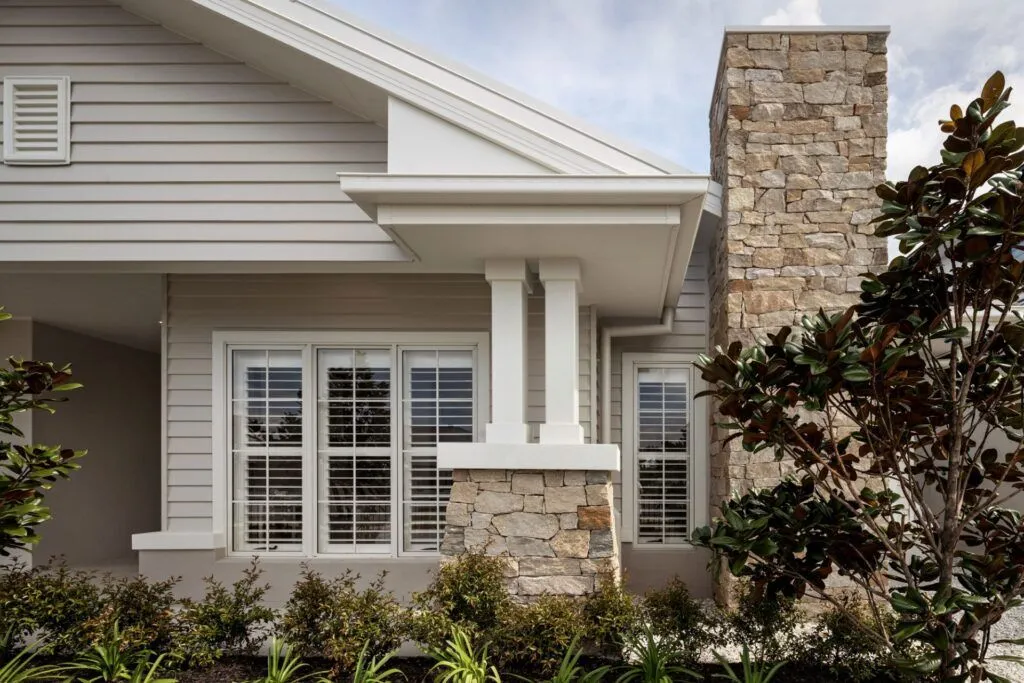
Scenario A: The Maritime Estate (The Hamptons)
In coastal environments, the primary adversary is “Salt-Bursting.” As salt mist penetrates the pores of a stone, it crystallizes and expands, eventually forcing the stone’s face to shed. For these projects, a high-density Granite with a sawn-back finish is the only logical choice. The lack of open pores prevents salt ingress, and the use of 316-grade stainless steel anchors ensures that the attachment points do not corrode behind the stone panels.
Scenario B: The Alpine Retreat (Aspen)
Here, the “Freeze-Thaw” cycle is relentless. Water enters micro-fissures during the day and expands by 9% when it freezes at night. A Quartzite with high flexural strength is required to resist these internal pressures. A “Ventilated Rainscreen” setup is critical; it ensures that any moisture that bypasses the stone is evacuated before it can freeze against the backup wall.
Planning, Cost Architecture, and Resource Dynamics
The economic profile of a flagship exterior is defined by “Lifecycle Value” rather than “Procurement Price.” In the mansion tier, the material cost is often overshadowed by the “Integration Labor.”
Range-Based Resource Allocation (Installed per 100 Sq. Ft.)
| Component | Standard Veneer | Estate-Grade Limestone | Ultra-Rare Quartzite |
| Stone Material | $1,200 – $2,500 | $4,000 – $8,000 | $12,000 – $25,000 |
| Specialized Masonry | $1,500 – $3,000 | $5,000 – $12,000 | $15,000 – $30,000 |
| Logistics / Quoting | $500 – $1,000 | $2,000 – $5,000 | $5,000 – $10,000 |
| Total per Square | $3,200 – $6,500 | $11,000 – $25,000 | $32,000 – $65,000 |
The Opportunity Cost: Choosing a “Faux-Stone” alternative to save $200,000 on a $10M project often results in a “Visual Discount.” In the luxury market, the savvy buyer’s eye immediately detects the “Industrial Repeat” of manufactured products, leading to a pricing penalty at resale that far exceeds the initial savings.
Tools, Strategies, and Support Systems
Executing a premium stone exterior requires a move from “General Contracting” to “Forensic Installation”:
-
Digital Slab Mapping: Using high-resolution photography to “book-match” veining across a 40-foot facade before a single cut is made.
-
PCD (Polycrystalline Diamond) Blades: Essential for cutting high-density stone without causing “Micro-Fractures” that lead to future cracking.
-
Pressure-Equalized Rainscreen Clips: Specialized aluminum hardware that holds the stone away from the wall, allowing air to circulate.
-
Spectrophotometers: Used to ensure “Color Consistency” across different batches of stone arriving from the quarry.
Risk Landscape: Failure Modes and Compounding Liabilities
The failure of a stone facade is rarely the result of a single storm; it is a “Slow-Motion Cascade” of systemic errors.
-
Iron Inclusions Risk: Certain stones contain trace amounts of iron. If installed in high-moisture areas, the iron will rust from the inside out, causing permanent “Orange Bleed.”
-
Efflorescence Accumulation: Caused by moisture moving through the stone and bringing salts to the surface. If not addressed, the salts will eventually “Spall” the face of the stone.
-
Fastener Fatigue: Using galvanized steel instead of stainless steel in coastal zones. The fastener corrodes inside the stone, expanding and eventually “exploding” the anchor point.
Governance, Maintenance, and Long-Term Adaptation
A “Legacy Facade” requires a documented monitoring cycle. Treating stone as a “set-and-forget” material is a financial fallacy.
-
The Annual Soft-Wash: Removing atmospheric soot and pollutants before they react with the stone’s minerals. High-pressure washing should be strictly forbidden as it “Etches” the surface.
-
Joint Integrity Audit: Inspecting “Expansion Joints” every 36 months to ensure the sealant hasn’t “Primed-Out” or cracked.
-
Irrigation Audit: Ensuring that irrigation spray is not hitting the stone, which prevents calcium buildup and white-water staining.
Measurement, Tracking, and Evaluation Metrics
-
Delta-E Color Shift: Measuring color variance over time using a gloss meter to ensure the stone is weathering evenly.
-
Permeability Rating: Tracking the moisture-vapor transmission rate of the assembly to prevent mold growth behind the stone.
-
Documentation Example: A “Stone Logbook” containing the specific quarry location, the “bench” number of the cut, and the chemical composition of the sealer used.
Common Misconceptions and Oversimplifications
-
Myth: Thicker stone is always better. Correction: A 2cm Quartzite is often structurally superior to a 5cm Sandstone due to its flexural modulus.
-
Myth: Sealing stone makes it waterproof. Correction: Sealers make stone “Stain-Resistant.” Stone must always be allowed to “Breathe” to prevent internal moisture rot.
-
Myth: Natural stone is maintenance-free. Correction: Natural stone is a “living” surface. Without a soft-wash cycle, it will host biological growth or atmospheric staining.
-
Myth: Imported stone is always higher quality. Correction: Domestic granites (e.g., Vermont or Georgia) often outperform imported marbles in American climates.
Synthesis: The Future of the High-Performance Envelope
The trajectory of the American mansion is moving toward “Passive Resilience.” We are seeing the rise of “Robotic Fabrication,” where stones are carved with sub-millimeter precision to create interlocking systems that require no mortar. However, the fundamental principles of building science remain unchanged: a building must breathe, water must move, and materials must be allowed to expand.
Identifying the best exterior stone for mansions is not a matter of following a trend; it is a commitment to geological longevity. It requires an intellectual honesty that acknowledges the limits of the material while celebrating its unique character. By applying a forensic lens to selection and a disciplined approach to maintenance, the estate owner ensures that their residence remains a definitive reference point for architectural excellence for centuries to come.